

What Is Chronic Kidney Diseas
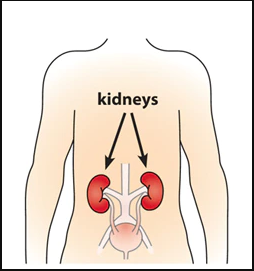
Chronic kidney disease (CKD) means your kidneys are damaged and can’t filter blood the way they should. The disease is called “chronic” because the damage to your kidneys happens slowly over a long period of time. This damage can cause wastes to build up in your body. CKD can also cause other health problems.
Stages of Chronic Kidney Disease
Five stages of chronic kidney disease
The National Kidney Foundation (NKF) divided kidney disease into five stages. This helps doctors provide the best care, as each stage calls for different tests and treatments.
Doctors determine the stage of kidney disease using the glomerular filtration rate (GFR), a math formula using a person’s age, gender, and their serum creatinine level (identified through a blood test). Creatinine, a waste product that comes from muscle activity, is a key indicator of kidney function. When kidneys are working well they remove creatinine from the blood; but as kidney function slows, blood levels of creatinine rise.